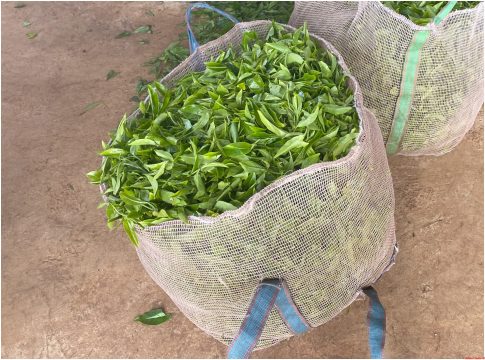
Our IOAS team recently visited Kenya to conduct a witness audit for the inspection of the processing of tea leaves. Tea is grown in the highlands located West and East of Rift Valley, at altitudes ranging from 1,500 meters to 2,700 meters above sea level. These highlands are spread across 19 tea-growing counties. Kenyan tea is well-known for its excellent color and brisk flavor, widely used by most UK tea bag manufacturers for higher quality blends. The industry contributes significantly to the Kenyan economy, earning over Ksh 120 billion in exports and Ksh 22.0 billion in local sales annually. It supports about 5.0 million people directly and indirectly, and is a major source of livelihood for an estimated 650,000 tea growers. Kenyan tea is renowned globally for its quality and safety. This is due to adherence to good agricultural practices (no pesticides or agro-chemicals); good husbandry practices and selection of high-quality varieties; skilful processing practices (no additives, preservatives, or artificial coloring); continuous improvements through investment in modern technology and R&D; commitment to global and national food safety standards (ISO, HACCP, KS1927); and compliance with environmental and social market requirements (ETP, Fair Trade, etc.). Naturally grown (free from chemicals and pesticides), processed with no additives, and possessing a unique flavor.
Source: TBK –Tea Board of Kenya
IOAS is proud that our global footprint of cultivating integrity and trust within organic communities includes the African continent. We are committed to significantly expanding this presence in the near future.


Images courtesy of Dániel Szalai